Artificial Intelligence (AI) has been a topic of fascination and concern for decades. With its ability to perform complex tasks, analyze vast amounts of data, and make predictions, AI has made significant advancements. However, the notion that AI will entirely replace human beings is a misconception that needs to be debunked. While AI has the potential to revolutionize industries and augment human capabilities, it cannot replicate the breadth and depth of human qualities and experiences.
Complementary Nature of AI and Human Beings
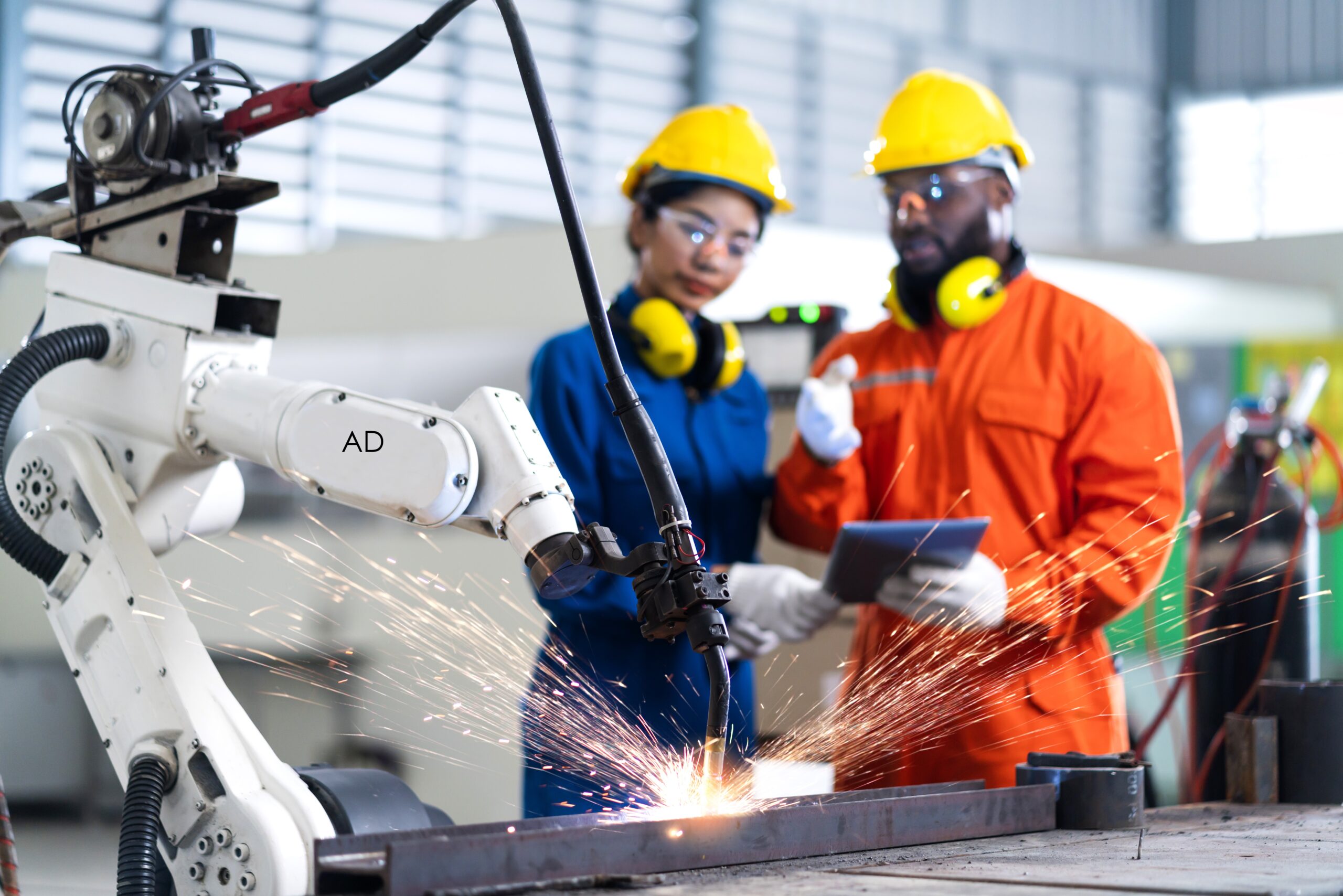
AI should be viewed as a tool that complements human abilities rather than replacing them. AI systems excel at performing repetitive and mundane tasks with precision and efficiency. By automating such tasks, AI frees up human workers to focus on higher-level cognitive tasks that require creativity, empathy, critical thinking, and problem-solving abilities. AI can act as a supportive tool, assisting humans in achieving better outcomes, increasing productivity, and enhancing decision-making processes.
Emotional Intelligence and Human Interaction
One of the fundamental limitations of AI is its inability to possess emotional intelligence. While AI algorithms can analyze data and make logical decisions, they lack the ability to understand and empathize with human emotions. Interpersonal skills, intuition, and emotional intelligence are critical in various fields such as healthcare, counseling, customer service, and creative arts. Human beings possess an innate capacity for empathy and understanding, enabling them to connect with others on a deeper level. This human touch and emotional connection cannot be replicated by AI.
Only work with inputted data As AI application continues to grow, so will the services of humans. Someone has to design the machine’s AI processes, create these machines, operate, and maintain them. Only humans can do this. Standing on these facts, you can boldly dismiss any speculations of AI overriding humans in the workspace.
AI should augment human intelligence The question of whether AI will replace human workers assumes that AI and humans have the same qualities and abilities — but, in reality, they don’t. AI-based machines are fast, more accurate, and consistently rational, but they aren’t intuitive, emotional, or culturally sensitive. And, it’s exactly these abilities that humans possess and which make us effective. Machine Intelligence vs. Human Intelligence… In its simplest form, AI is a computer acting and deciding in ways that seem intelligent. In line with Alan Turing’s philosophy, AI imitates how humans act, feel, speak, and decide. This type of intelligence is extremely useful in an organizational setting: Because of its imitating abilities, AI has the quality to identify informational patterns that optimize trends relevant to the job. In addition, contrary to humans, AI never gets physically tired and as long it’s fed data it will keep.
Creativity and Innovation
Creativity is a distinctly human trait that fuels innovation, imagination, and artistic expression. While AI algorithms can generate novel ideas or create content based on existing patterns, they lack the ability to possess genuine creativity or originality. Human beings have unique experiences, emotions, and perspectives that inspire groundbreaking ideas, artistic endeavors, and scientific breakthroughs. The creative process involves intuition, curiosity, and the ability to think outside the box, which are attributes that make humans irreplaceable.
Ethical Considerations and Value Judgments
AI algorithms are designed to make decisions based on predefined rules and data analysis. However, ethical dilemmas often require complex value judgments, weighing multiple factors, and considering the broader societal impact. Human beings possess moral reasoning, empathy, and a sense of responsibility that allow them to navigate such situations. The ability to make nuanced ethical judgments based on personal values, cultural context, and human rights is something AI cannot replicate.
Adaptability and Learning
Human beings are inherently adaptable and capable of learning from new experiences. While AI algorithms can be trained on large datasets and improve their performance through iterations, they lack the adaptability and versatility of human intelligence. Humans can quickly adapt to new environments, learn new skills, and apply knowledge in diverse contexts. This flexibility is crucial in rapidly changing industries and unpredictable situations where human judgment and adaptability are paramount.
Latest Update Researchers have laid out a new approach to enhance AI-powered computer vision technologies by adding physics-based models.AI has been used to detect specific objects in images, which could lead to advancements in cancer detection.AI has been used to study the flow of fluids in the brain. MIT has developed a new AI-based approach for controlling autonomous robots that satisfies the often-conflicting goals of safety and stability. Microsoft and Google have recently made big investments in two of the most valuable companies in AI, OpenAI and DeepMind. False news stories, images, video, and audio could be tailored to audiences and created at scale by next spring, leading to the launch of a body to protect students from the risks of AI.
Conclusion
The fear of AI replacing human beings is unfounded. While AI technology continues to advance, it is important to recognize the unique qualities and capabilities that make human beings indispensable. AI is a tool that can enhance human performance, automate repetitive tasks, and improve decision-making processes. The human touch, emotional intelligence, creativity, adaptability, and ethical judgment are attributes that cannot be replicated by AI. By embracing AI as a complementary force, we can harness its power to create a more efficient, productive, and collaborative future that leverages the best of both human and artificial intelligence.
Posted: by admin

Tags: AI Tools, Artificial Intelligence, autopilot, boston dynamics, Can artificial intelligence replace human in coming future?, Can we retrieve programming code from chatgpt, Compare chatgpt with other AI tools, elon musk, How is AI used in robotics for easy working, How is python used for Aritificial Intelligence, Is AI more powerful than Human Brain?, Is artificial intelliigence going to replace human?, latest update on chatgpt, ml algorithms, Myth About Artificial Intelligence, neural network, Perplexity.ai, Python and its use in machine learning, robots, tensorflow algorithms, tesla robot, What are the most used python algotithms for AI, What are the top machine learning algorithms for python and java